

Copy that: creative copywriting examples that are clever and spot-on
Great creative copywriting doesn’t need to shout. Sometimes, all it takes is a clever turn of phrase, an unexpected reference or a perfectly timed pun to make people stop, smile, and remember a brand or a product.
Creative copywriting makes words work harder. It can turn a simple instruction into a joke, make a familiar phrase feel fresh, or use a cultural reference to create an instant connection with an audience. The best examples are not clever for the sake of being clever; they are relevant, purposeful, and easy to get.
In this post, we look at copywriting examples that get the balance right: smart without being pretentious, funny without trying too hard, and creative without losing sight of the message.
From playful wordplay and pop-culture references to hyperlocal ideas that could only work in a particular place, these examples show how a few well-chosen words can turn ordinary copy into something people actually remember.
They also show why copywriting and localisation often go hand in hand when creative ideas need to work across languages and cultures.
The images in this article are photos or screenshots of examples I’ve come across in the real world or online. Some are photos I’ve taken myself, like the poster I spotted in a bar in the Azores, while others are screenshots from social media. They’re included simply to illustrate the examples discussed.
The filtered water campaign with a poetic twist
I spotted this campaign in a Portuguese supermarket. I think it’s a great example of how a few carefully chosen words can do a lot of work.

At first glance, Vai à fonte (to go to the spring, or to the fountain) is a simple, fitting line for a bottled-water brand. But then there’s the name Leonor, a very deliberate choice that adds another layer for Portuguese audiences.
It echoes Camões’ famous poem:
"Descalça vai para a fonte,
Lianor pela verdura;
Vai fermosa, e não segura."
Suddenly, A Leonor vai à fonte becomes more than a wordplay. It connects the product to a familiar piece of Portuguese literature. At the same time, the campaign’s message about reusing the bottle brings the idea firmly into the present (pelo ambiente — for the environment’s sake).
What I particularly like is that the literary reference never gets in the way of the message. You don’t need to recognise it to understand the campaign, but if you do, you get an extra little reward.
Good copy doesn’t always need to explain the clever idea. Sometimes, it just needs to give you enough clues to figure it out.
The "Welcome to our drama-free bank" campaign
After opening a bank account, I got this e-mail saying I gained free access to a streaming service for 6 months.
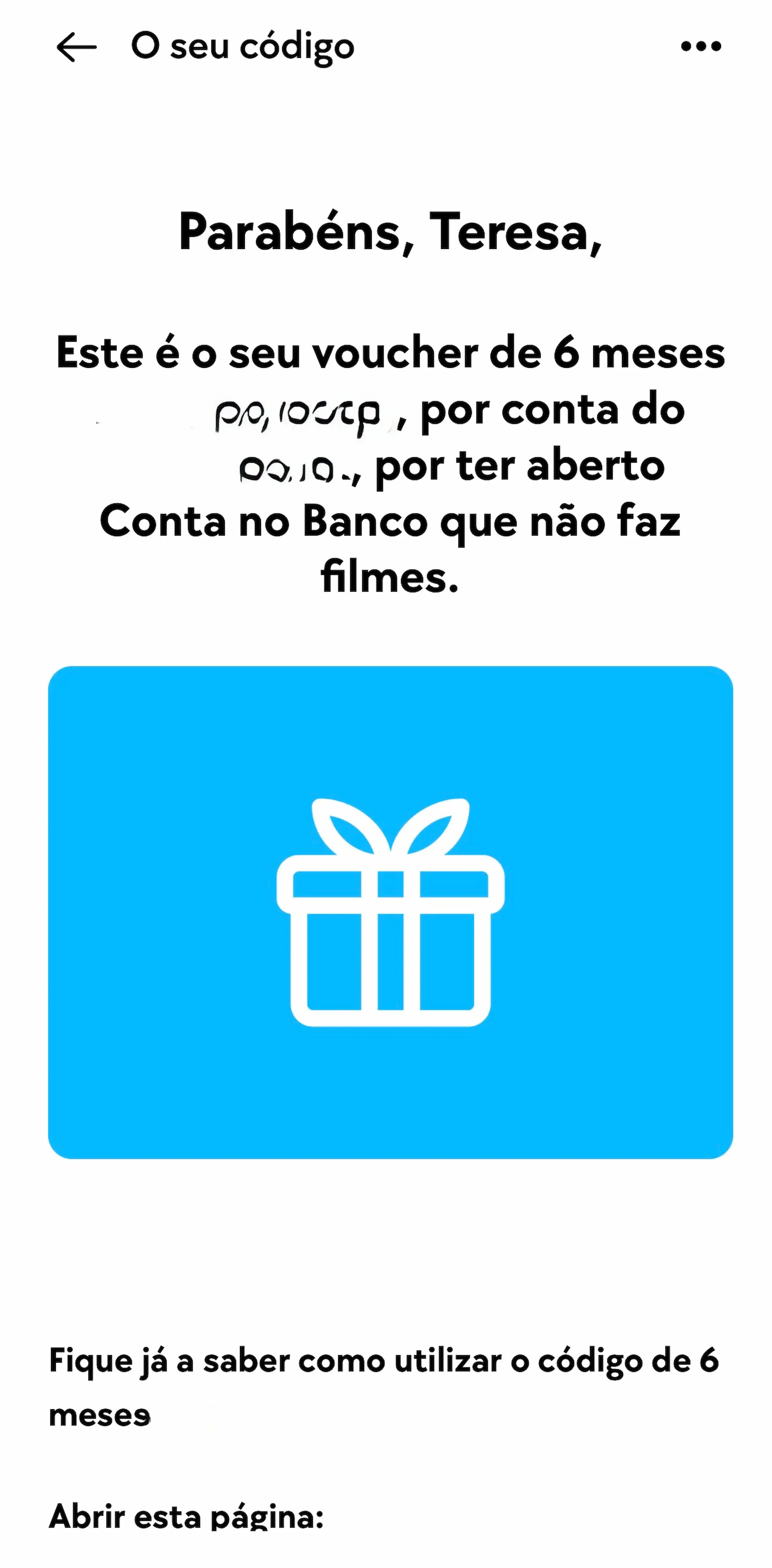
Besides this being a nice perk to have, the bank used the very funny and European Portuguese expression: não faz filmes, meaning that it’s a fuss-free bank, while also keeping a connection with the movie streaming platform.
It’s a play on the Portuguese expression fazer um filme, literally "to make a movie", which means to make a situation seem more dramatic or complicated than it really is.
This sort of copy seems effortless, and brings me joy for being so intelligent in its simplicity.
The only thing I would change is that I’d use conta and banco without initial capital letters. That said, I understand that these are important keywords for the service, so I assume this is part of their brand style.
The hyperlocalised advertisement
This is a smart example of hyperlocalised copy and cultural adaptation: instead of simply adapting a global brand idea to Portugal, it makes the joke specific to the Azores islands.
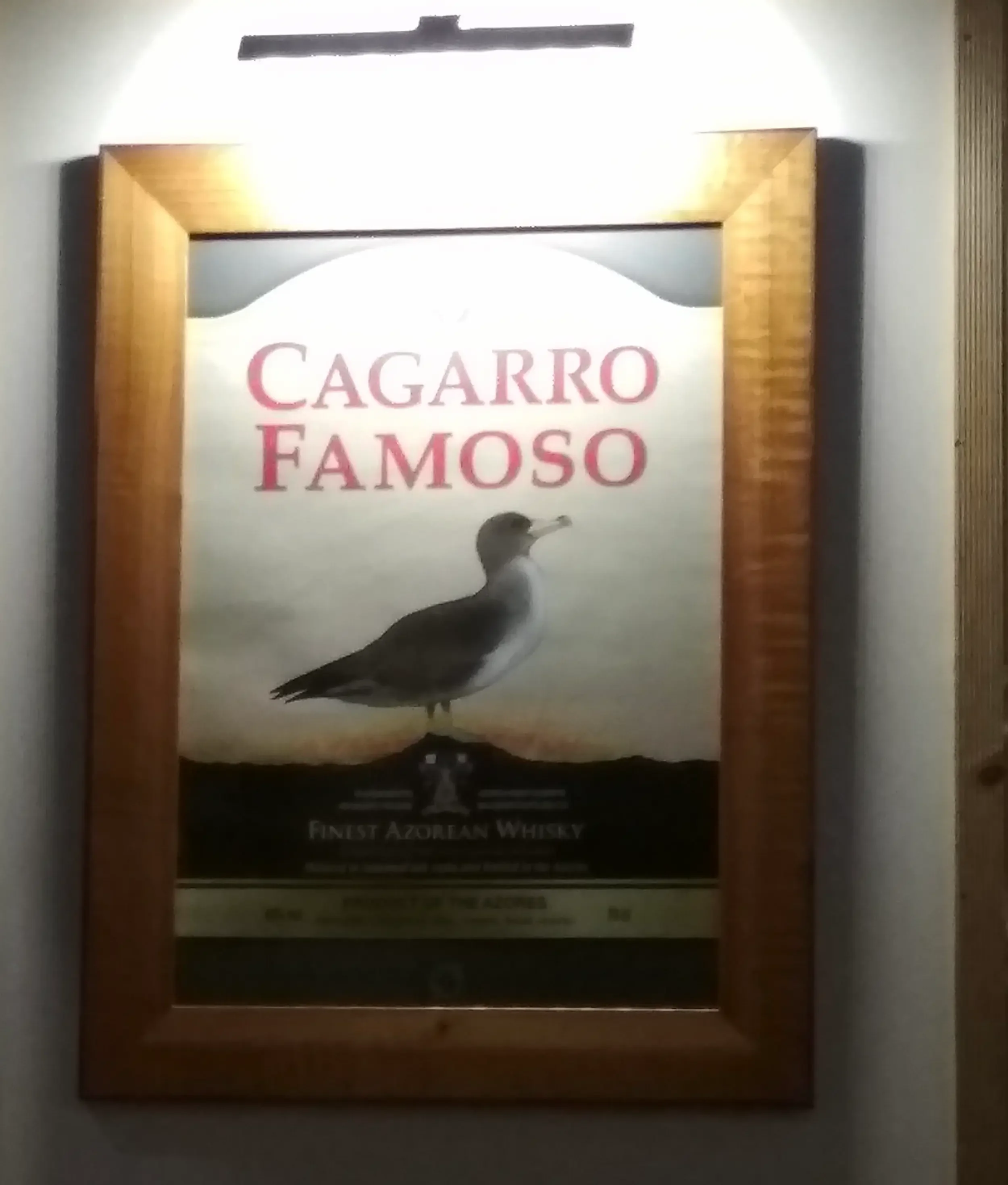
The Famous Grouse brand name is playfully adapted into Cagarro Famoso, replacing the Scottish grouse with the cagarro (Cory’s Shearwater), an iconic Azorean seabird. The original brand name’s structure remains recognisable, but the cultural reference is completely local.
That is what makes the copy both clever and witty: it takes something familiar and gives it a distinctly Azorean twist. The word cagarro also adds an extra layer of cheeky humour for Portuguese speakers, while the mock-serious treatment makes the parody even more effective.
Hyperlocalisation means adapting an idea so closely to a particular place and its culture that it feels as though it could only have been created there. In other words, effective localisation is not always about translating the words; sometimes it is about recreating the idea for a specific audience.
A pun worth flipping for
Here’s a good example of playful, effective copy using a familiar phrase and giving it a food-related twist.
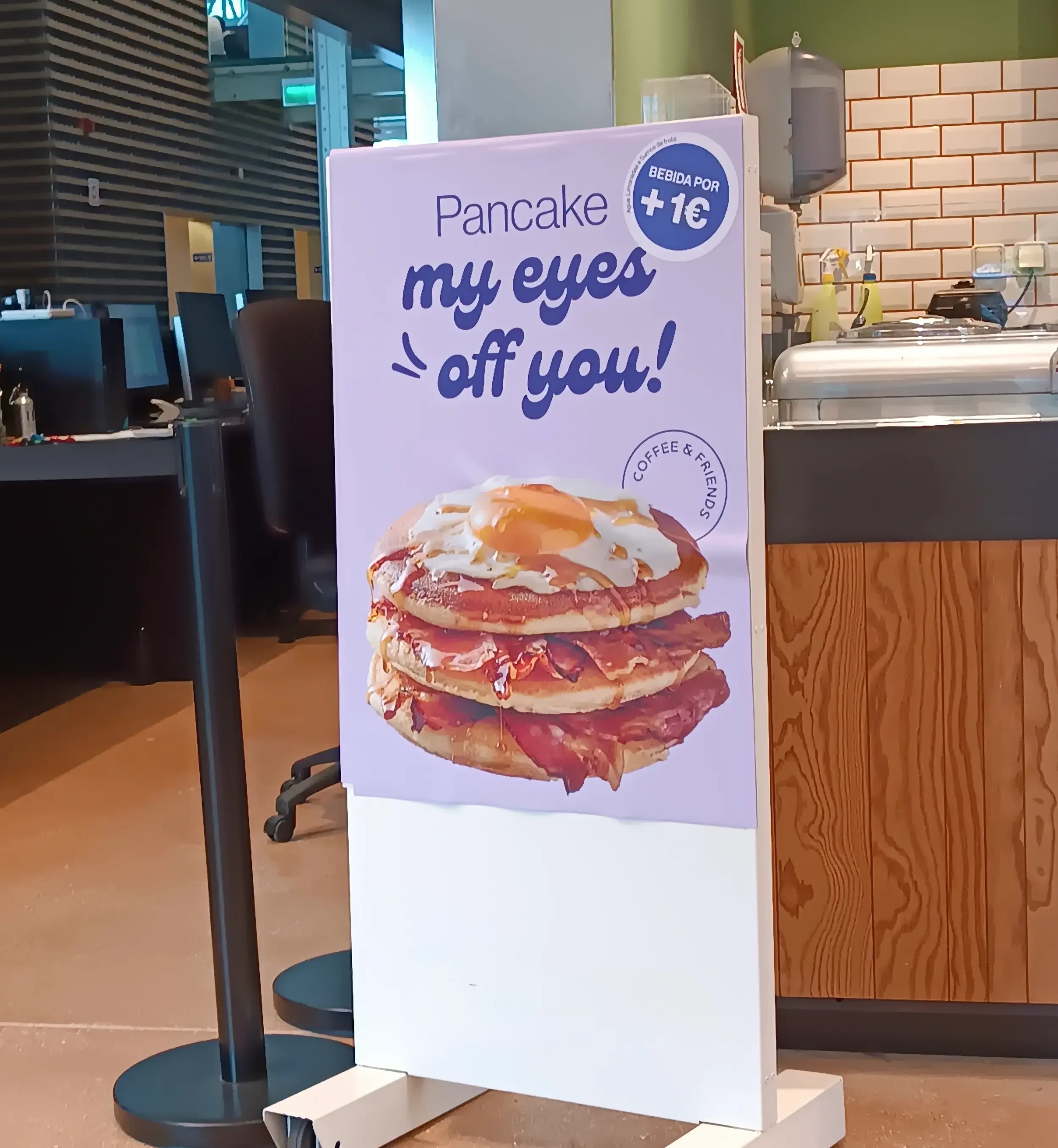
"Pancake my eyes off you" plays on the romantic song lyric "Can’t take my eyes off you", replacing "can’t take" with "pancake". The pun is instantly recognisable, relevant to what this café sells, and adds personality without needing any explanation.
The copy works because it is short, unexpected, and memorable: one small change transforms a familiar phrase into something that feels made specifically for a café that serves pancakes. Plus, it really makes you hear that song in your head, doesn’t it?
The unexpected line that catches you off guard and makes you smile
Good copywriters are masterminds with words. Hire one, and you can find yourself smiling at your screen, even when you are doing something as ordinary as uploading images to your computer.
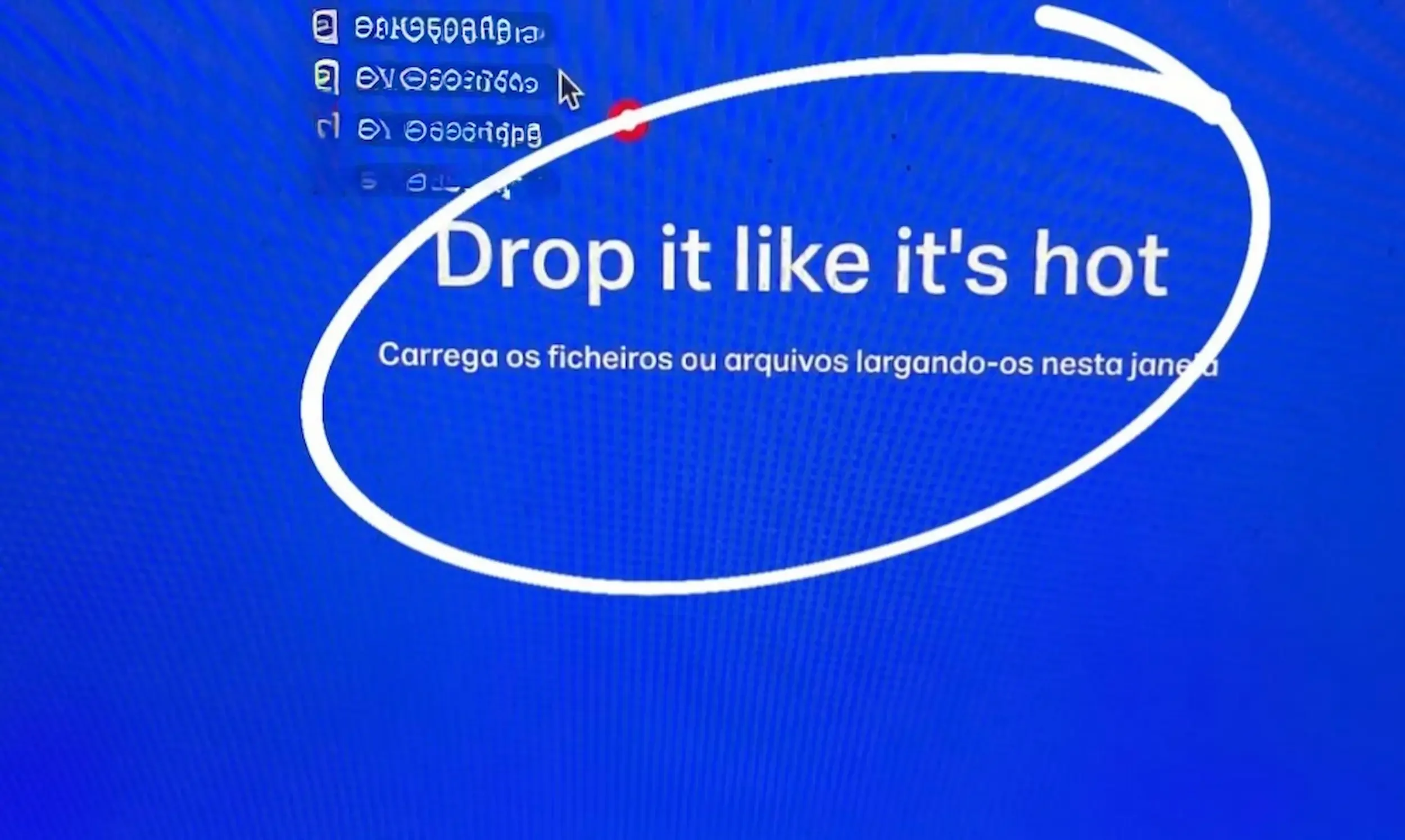
This is a strong piece of copy because it turns a simple instruction into something memorable and playful.
"Drop it like it’s hot" is a familiar pop-culture phrase associated with dancing, but here it creates a playful connection with the action of dropping files into the window of a file transfer platform. The contrast between the cool, cheeky tone of the phrase and the mundane task of uploading files makes the instruction more engaging.
It is short, instantly recognisable, and perfectly tied to the product experience.
On a different note, this is also a curious example of inconsistent localisation. It uses both ficheiros, the standard European Portuguese term for "files", and arquivos, the term more commonly used in Brazilian Portuguese. In this context, the two words mean the same thing, so using both is unnecessary and creates the impression that the text was adapted for both varieties of Portuguese rather than properly localised for either one.
The phrasing Carrega os ficheiros ou arquivos largando-os nesta janela sounds unnatural in European Portuguese. The use of largando-os appears to follow the English structure too closely, rather than using the more natural interface language a Portuguese user would expect. A few more natural options in European Portuguese would be Arrasta e larga os ficheiros nesta janela or Arrasta os ficheiros e larga-os nesta janela.
The funny pun on a piece of clothing
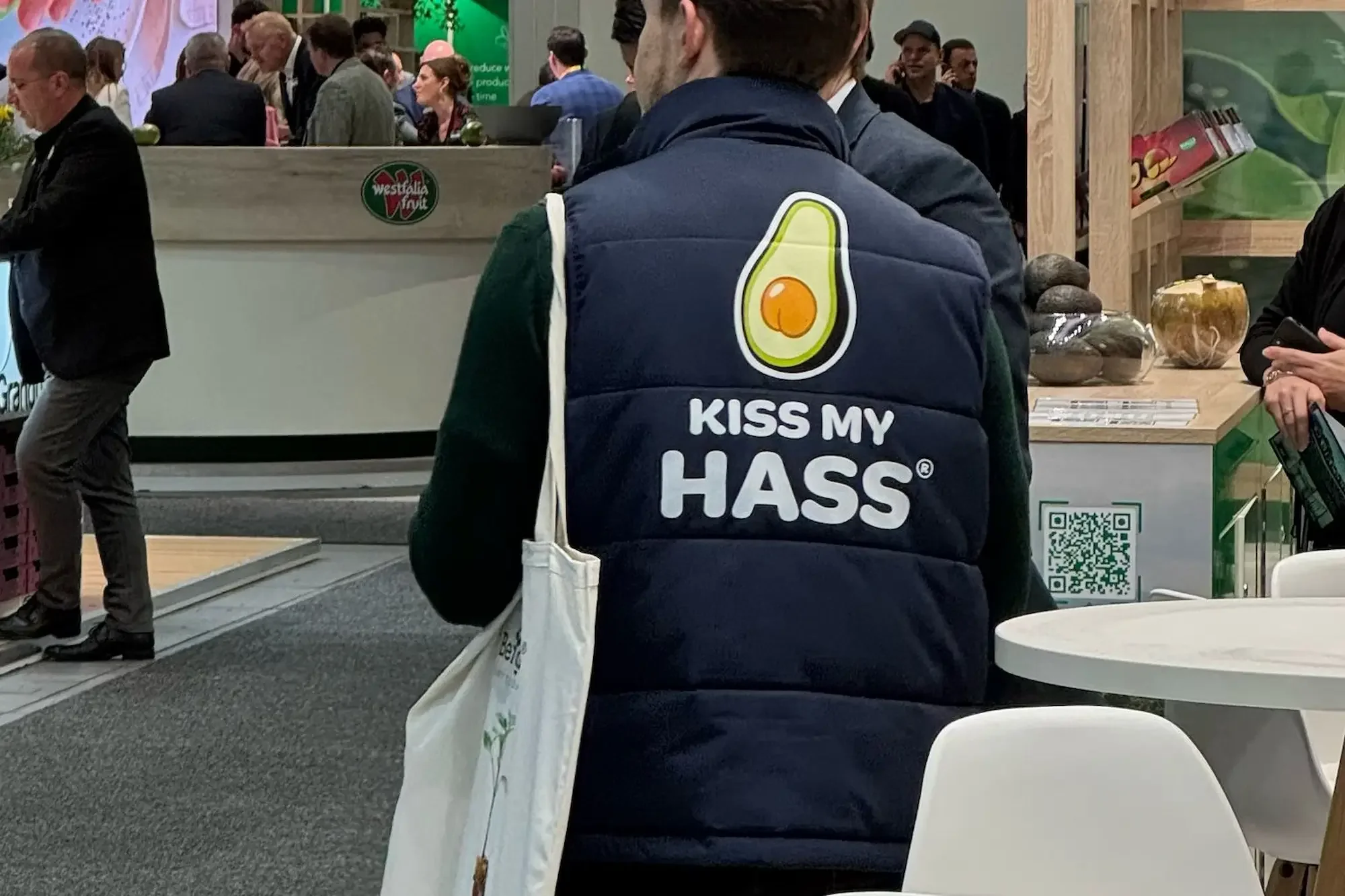
Suppose you’re at an event focused on food and agricultural products. In the middle of a crowd, you spot this. Instant giggles.
This is a clever play on the Hass avocado variety, paired with the visual joke of an avocado pit transformed into a human-like bum. It’s a wonderfully simple way to make a product stand out and put a smile on people’s faces in the process.
I haven’t laughed this hard at a food-related pun since a colleague of mine made a joke about "calamity olives" in a Teams meeting, and I absolutely lost it. (She was talking about Kalamata olives, of course.)
The playful message at the bottom of an e-mail
It’s hard to stand out when you’re dealing with the kind of routine information people usually ignore. And yet, whoever came up with this little addition at the bottom of a newsletter had a brilliant idea.

It conveys the idea that someone is worried about the size of your inbox and all those unnecessary emails piling up.
I found this such a kind, amusing way of saying "enough is enough" that I saved it to my personal swipe file for future reference.
The last word
Clever copywriting is often found in the smallest details: a swapped word, a repurposed phrase, a reference given a new context. Small creative choices can completely change the way a message lands.
For copywriters, the lesson is simple: look beyond the obvious. A familiar phrase can have another life. An everyday instruction can become a joke. A local reference can become a brand asset. The opportunity is often there, in the language people already know, but presented in a way they don’t expect.
And when the idea is right, you don’t need to explain the joke or the pun. That is also what makes creative localisation so challenging: the same idea has to create that moment of recognition in another language and culture.